What is data engineering?
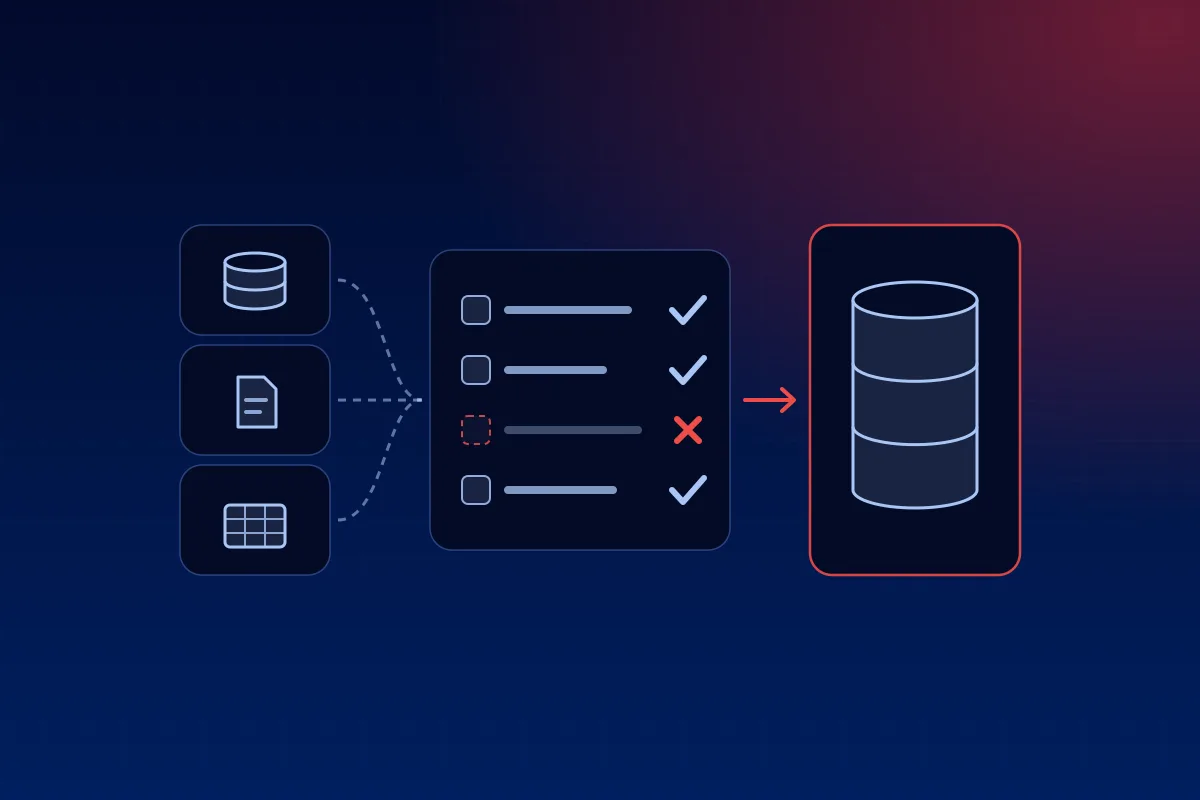
Data engineering moves data from the systems where it's created to the places where it's used, and makes sure it arrives complete and consistent. It covers the pipelines that move data, the checks that clean and validate it, and the warehouse where it's stored for reporting and analysis.
It's for companies whose data sits in several systems that don't share it, whose reports depend on manual exports and spreadsheets, and for AI teams that need raw data turned into consistent training sets before it can be labeled.
What's included
- Data pipelines (ETL and ELT). Jobs that extract data from your sources, transform it and load it where it's needed, on a schedule or as new data arrives.
- Source integration. Databases, business applications, files, spreadsheets and third-party APIs connected, so data from each lands in one place with consistent names and formats.
- Data cleaning. Duplicates removed, formats and units fixed, missing values filled or flagged, and names, dates and categories standardized.
- Validation. Automated checks at each step: required fields, value ranges, row counts and links between tables. Records that fail are held back and reported, so they don't reach your reports or your model unnoticed.
- Data warehousing. Tables and data models designed in a cloud or on-premises warehouse, so analysts can query the data without reworking it each time.
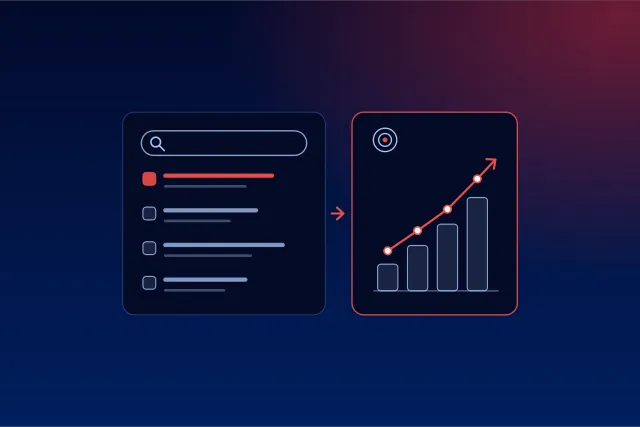
- Datasets for analytics. Clean, documented tables that dashboards and reports read from.
- Datasets for AI training. Data collected, deduplicated, balanced across classes and split into training, validation and test sets, in the format your training pipeline reads.
From raw data to labeled training data
Data engineering often comes before annotation. A model learns only from data that is complete and consistent, and labeling goes faster on a clean set. We can prepare the data, label it with our image annotation, text annotation or audio transcription teams, and return it to your pipeline in the format it expects.
Our guide on how to prepare data for annotation covers the steps in detail.
How a project runs
- Discovery. We list your data sources, who uses the data and for what, and where it goes wrong today.
- Design. We agree the destination, the data model, the checks each table must pass and how often data refreshes. You approve the design before building starts.
- Build. Pipelines and checks are built and tested on a sample of real data, then run on the full volume.
- Launch and hand-over. Pipelines go live with monitoring and alerts. We document the work and hand it to your team, or keep maintaining it if you prefer.
What you receive
- Working pipelines, with the code stored in your repository and running in your accounts
- A data model and a data dictionary: every table and field, what it means and where it comes from
- Validation rules, and a log of every record that failed a check
- Clean tables in your warehouse, ready for reporting
- For AI projects, datasets split for training, validation and testing, with a note on how they were built
- Monitoring and alerts that tell you when a run fails
- Documentation your team can work from
Security and access
- We work with the access you grant, inside your own cloud account or servers where possible.
- Personal data is left out of pipelines that don't need it, or masked before it moves.
- Our people work under non-disclosure agreements, and your data is used only for the project it was shared for.
Start a project
Tell us where your data comes from, where it needs to go and what it will be used for, through the contact page. Starting with one source and one report is a quick way to test the design before the rest follows.